

New Arrivals


Sale Items


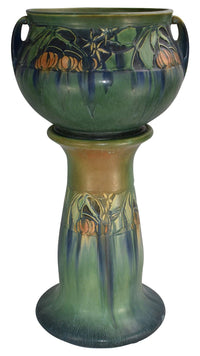
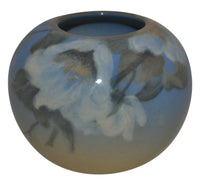
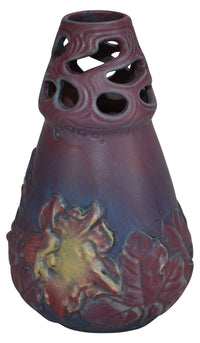
Why Just Art Pottery?

Unique and Fresh Inventory
Our art pottery section changes daily. We specialize in large estate fresh collections so check back often to find your perfect piece.

Accurately Described
Our detailed and accurate descriptions note even the smallest flaws to ensure there are no surprises when you receive your item.

Fast and Free Shipping
All pottery is professionally packaged and shipped out the same or next business day. Plus we offer free shipping on all orders in the continental US.

Satisfaction Guaranteed
Returns are never a problem. In the unlikely event you are unhappy with your item just contact us.
Shop By Roseville Pattern Name
What Our Customers Are Saying


My purchase of a Roseville Montacello (green) vase was my first interaction with Just Art Pottery. I felt I got a good value as my item was bought online during holiday sale. The pottery vase was packaged very carefully and arrived without any mishap, on schedule as promised. It is even nicer than in the photos on the website.
 (5.0)
(5.0)


Posted on: Posted on: Dec 5, 2024
Just Art Pottery always does a great job describing their pottery and sending it well packed and quickly at a good price. So much of their inventory are rare and hard to find pieces. I always know I’ll be happy with my purchases.
(5.0)
Just Art Pottery is very professional in every way. The descriptions are right on. The packing is perfect. They are just the best.
(5.0)
Love this piece and the care taken in packing it for a safe arrival. Just Art Pottery is wonderful to work with and buy from and always have a great selection of pieces to choose from!
(5.0)
Just Art Pottery is the number one business to buy from for any pottery. I have never been disappointed. Excellent descriptions and very very trustworthy. Thank you folks!!
(5.0)
Have you checked out our pottery auctions?
Regular Live Online and Timed Auctions
- Accurate Descriptions
- Affordable In-House Shipping
- No Reserves
Have Pottery, Collectibles, or Decor to Sell? We’re Interested!
Fast and Easy Process, Fair Valuation, Pickup and Delivery Options
Submit Your Items
Sign up & Save 15% off + Free Shipping on Your First Order
Subscribe to get advance notice of new arrivals and exclusive subscriber-only discounts.
Unsubscribe anytime.